
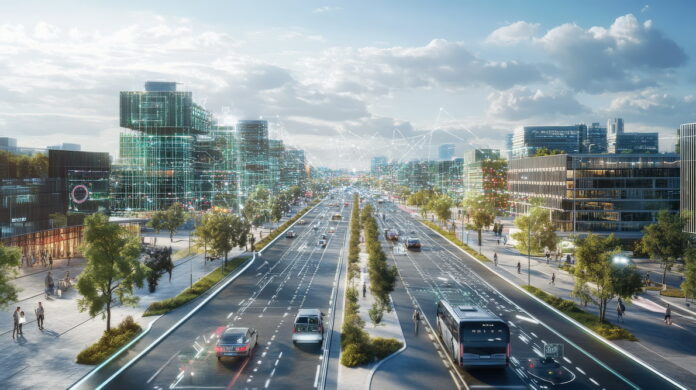
Cities hum with activity we rarely notice. Red lights turn green. Water flows from taps. Someone somewhere checks pollution levels. These everyday systems might look totally separate on the surface, but they actually share something surprising that’s changing city life as we know it.
The Hidden Network That Connects Everything
So what links a traffic light to a water pipe? Both now contain tiny computers and sensors that communicate over the internet. This technology, called the Internet of Things or IoT, basically gives objects the power to send messages. Your water meter tells the utility company how much you’ve used. The streetlight signals when its bulb is burnt out. Every few minutes, air quality sensors send out information about pollution levels.
These devices continuously gather data. They measure stuff, watch for changes, then report to central computers that crunch all the numbers. City workers spot trouble before disasters strike. A tiny leak in a water main? Fixed before anyone’s basement floods. Big accident blocking downtown? Traffic patterns shift automatically to keep things moving.
How Smart Infrastructure Makes Life Better
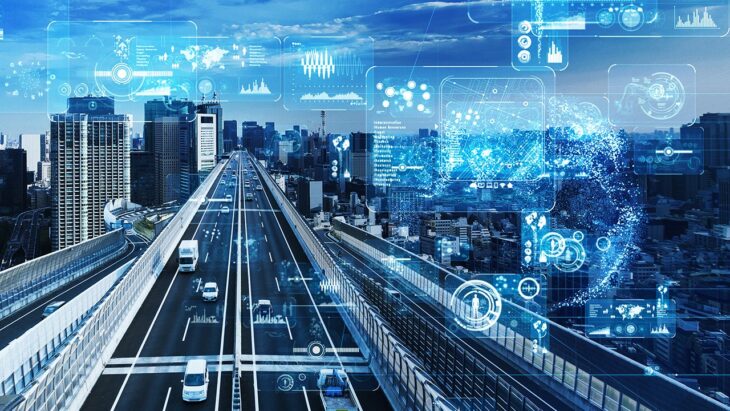
Ever been stuck at a red light with no one else around? Smart traffic systems solve that headache. Sensors buried in the pavement detect your car approaching. The system tweaks the timing to keep traffic flowing. Rush hour means longer greens on busy streets. Middle of the night? Everything switches to a pattern that gets you home faster.
Water systems have become smarter too. New meters watch how neighborhoods use water throughout the day. The water department sees demand building and adjusts pressure before anyone notices a problem. When one street suddenly starts guzzling water, alarms go off. Could be a busted pipe that needs a quick fix.
Air quality monitoring matters more than ever these days. Sensor networks spread across cities track everything from smog to pollen counts. People with breathing problems check the readings before heading outside. Schools know when to move gym class indoors. Planners spot the worst pollution zones and work on fixes.
The Technology Making It All Possible
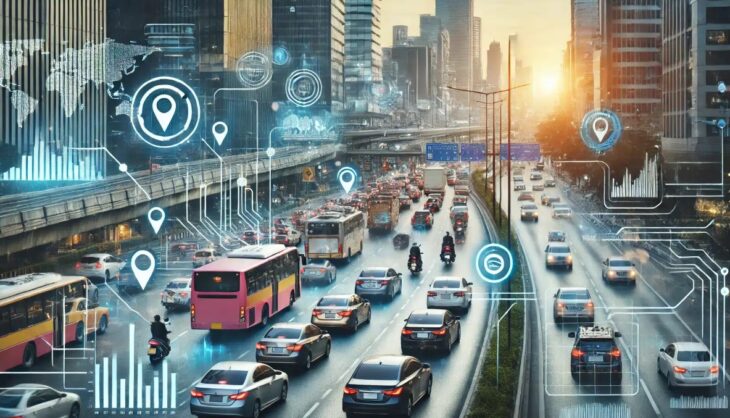
Companies like Blues IoT have created IoT for traffic and lighting systems that link urban devices together smoothly. Their tech helps cities get smarter without ripping out all the old equipment and starting over. Regular traffic lights get brain transplants. Basic water meters become data collectors. Ordinary streetlights join intelligent networks.
What’s great about this setup? Cities can start small. Maybe they upgrade one neighborhood first. Or focus on just the traffic lights. Then they expand bit by bit as money becomes available. Every new connection strengthens the whole network. The technology continues to become more affordable and simpler to set up. A sensor that was priced at thousands of dollars five years ago may now be available for fifty dollars. Wireless connections mean no need to dig up streets for cables. Solar panels power remote sensors indefinitely.
Conclusion
Traffic lights, water pipes, and air sensors represent just the first wave. Cities keep discovering fresh ways to connect their infrastructure. Garbage trucks could track which blocks recycle most. Park benches might count visitors so maintenance crews know where to focus.
Bus stops already show real arrival times in some places, pulled straight from GPS units on the buses. This connected future brings cities that adapt to what residents need without anyone asking. Fixes happen quicker. Nothing gets wasted.
Daily life runs a bit smoother. The unseen connections within our urban systems reveal that the most effective innovations usually operate quietly behind the scenes. Although we can’t see them, we notice the impact they have every day.