
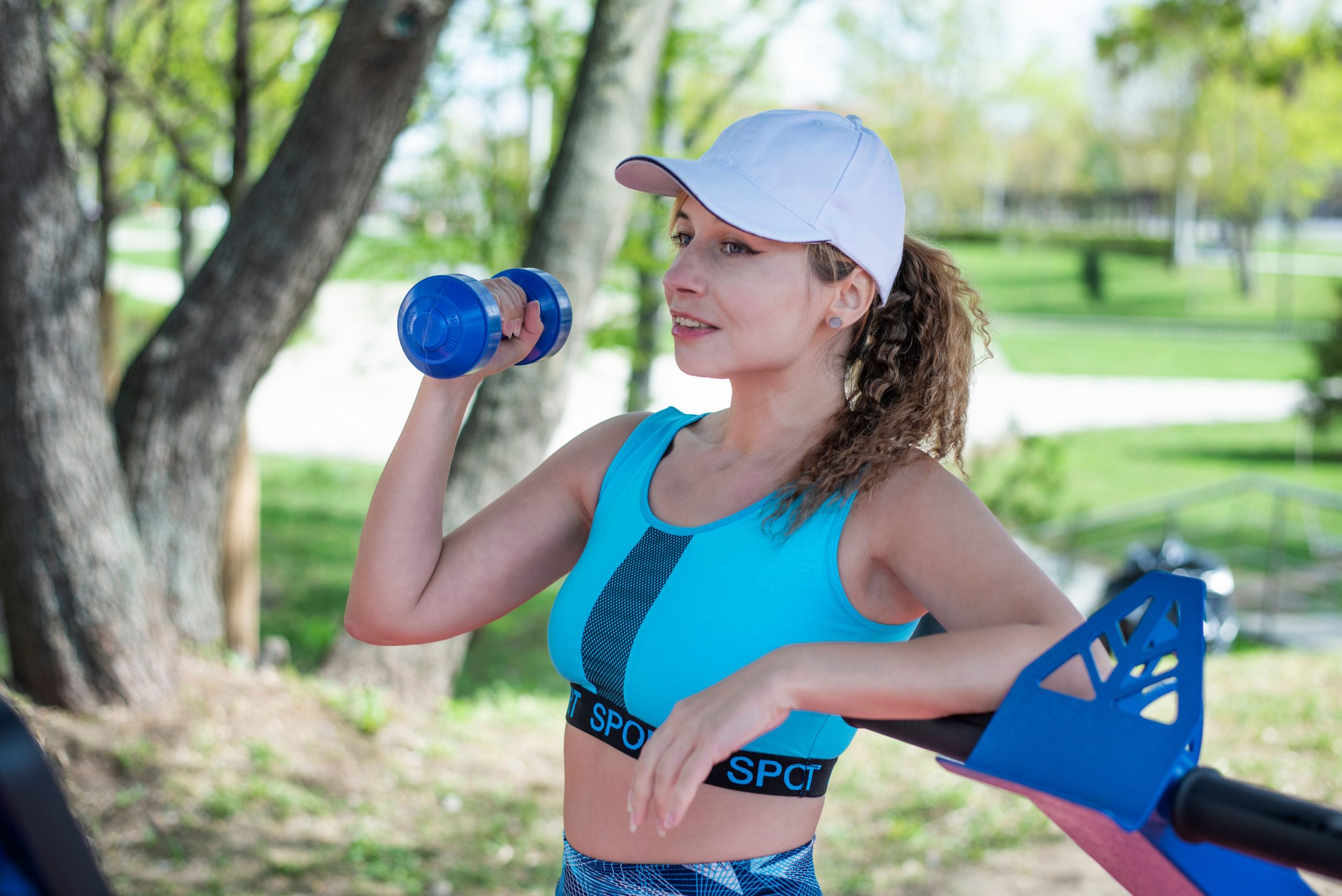
Many people choose outdoor training for the fresh air, the open space, and the variety that parks, trails, and playgrounds offer. Still, weather, daylight, and busy schedules often get in the way. A home gym built around the way you already like to train can keep your routine going without forcing you indoors for every session. This guide covers practical setup ideas, equipment that works well alongside outdoor training, and ways to keep consistent all year.
Why Outdoor Trainers Benefit From a Home Base
What Adults Actually Need Each Week
Before choosing equipment, it helps to know the target. The CDC guidance on adult physical activity recommends at least 150 minutes of moderate-intensity aerobic activity per week, plus muscle-strengthening work on at least two days. Outdoor running, cycling, and hiking can cover the aerobic part easily. The strength part is where a home setup often makes the biggest difference, because it gives you a reliable place to train on days when the park is wet or dark.
A home base is most useful for:
- Strength sessions that need consistent load or a fixed rack
- Short workouts before work or after dinner
- Bad weather, extreme heat, or early winter darkness
- Core and mobility work that you can do in a few minutes
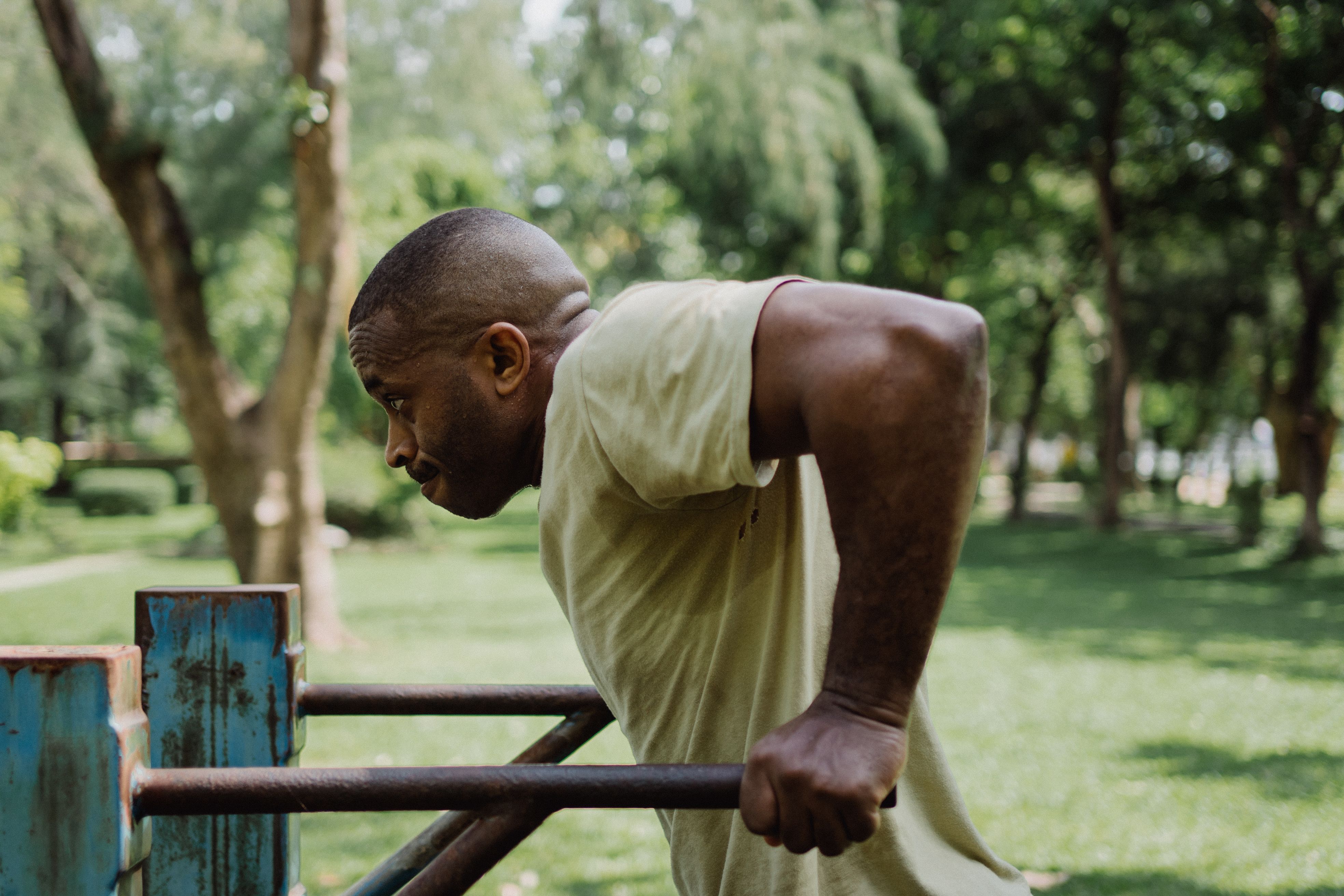
Planning the Space
Choosing a Room or Corner
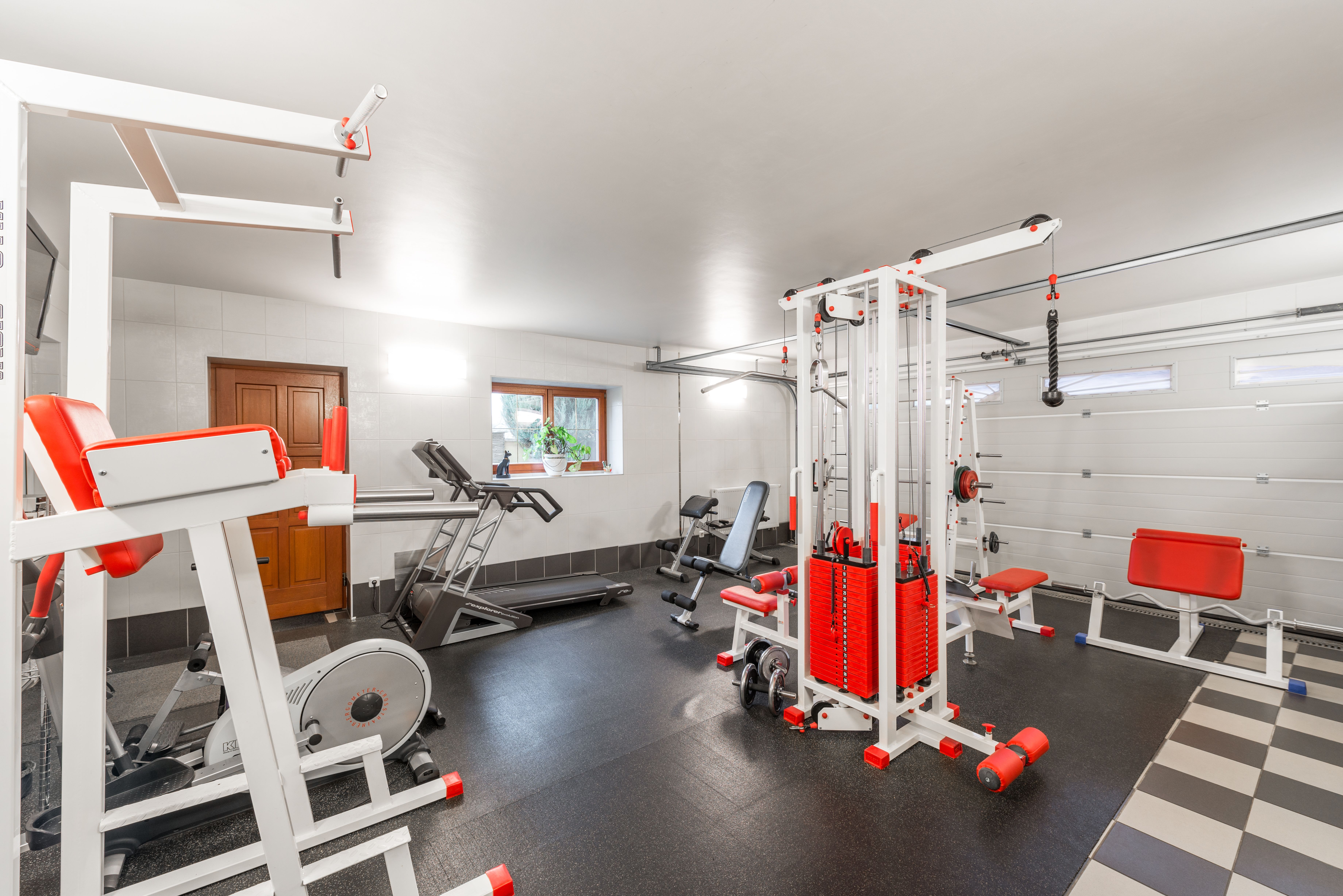
The right spot depends on your ceiling height, ventilation, and how much equipment you plan to keep. Most people start with one of the options below. Think about floor space, temperature, and what kind of training you want to do most.
Whatever you choose, keep a clear path between the training area and the door. A cleared 2 m strip for lunges, push-ups, and band work is more useful than a larger space filled with things you rarely use.
Equipment That Complements Outdoor Training
Bands, Straps, and Mats
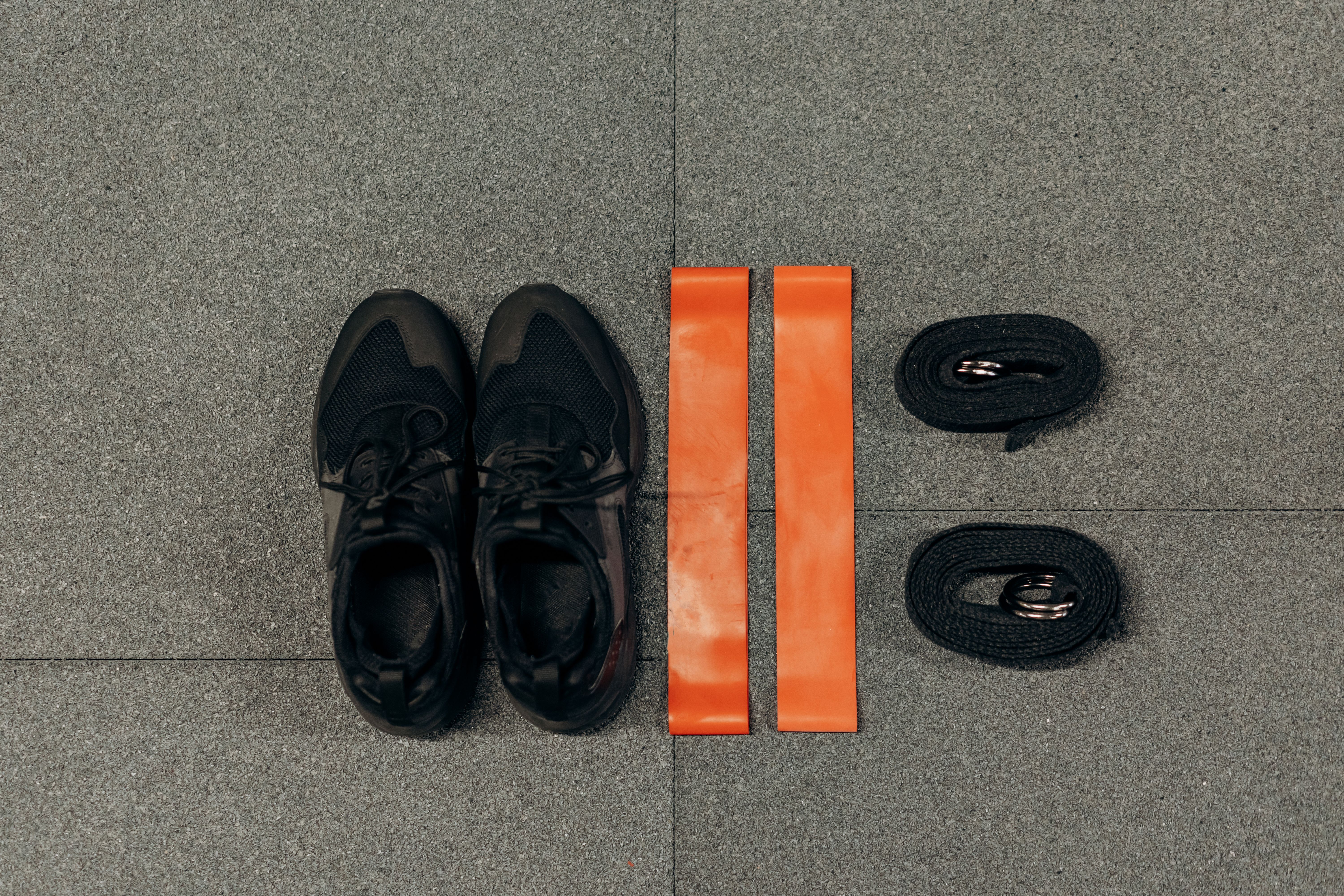
Portable gear is the easiest way to mirror outdoor sessions. Look for items that take little storage space and cover several movement patterns:
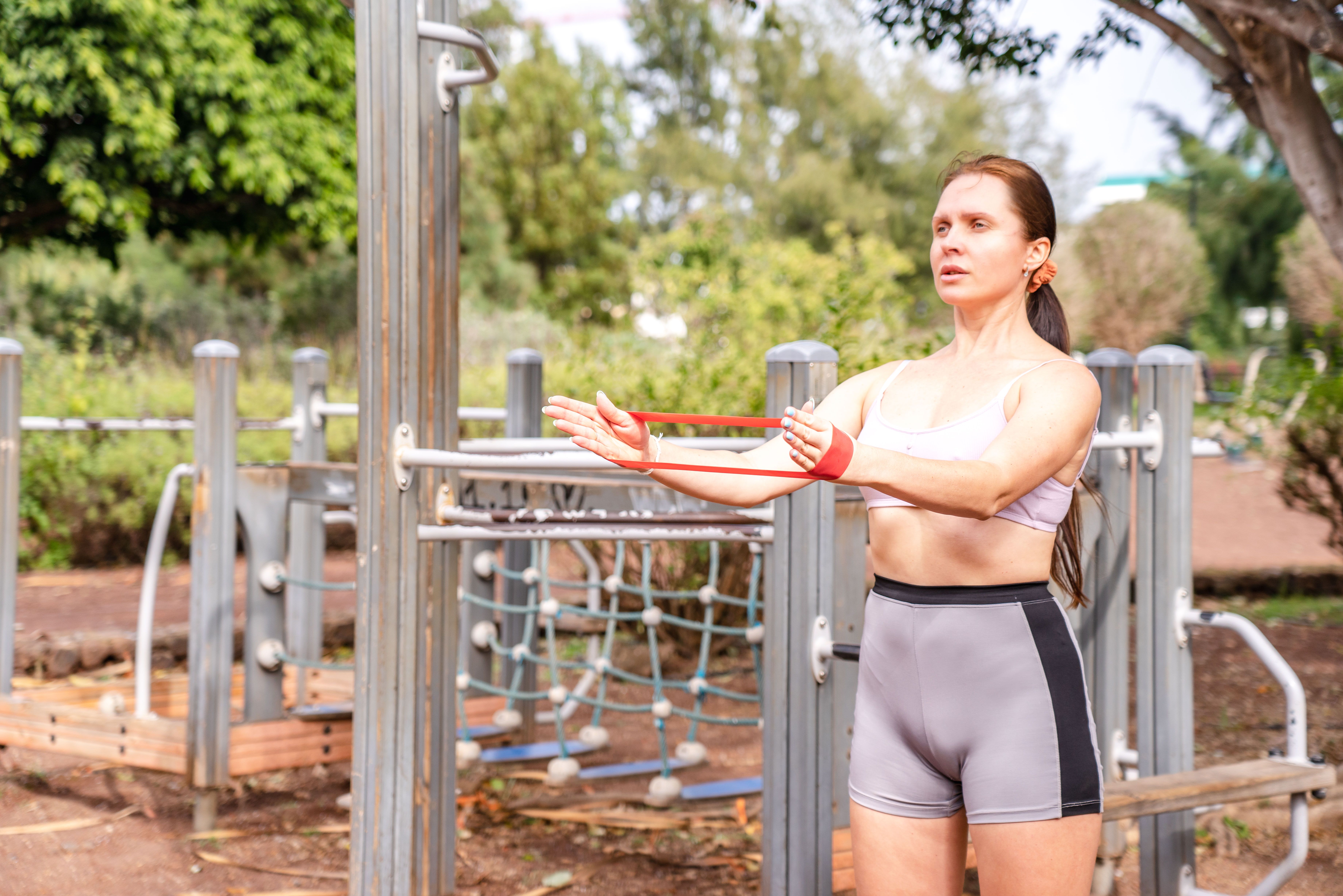
- A set of loop resistance bands for rows, presses, and leg work
- Suspension straps that anchor to a door or beam
- A non-slip mat for floor work and stretching
- Light adjustable dumbbells for squats, lunges, and carries
Resistance bands deserve special mention. The American College of Sports Medicine’s 2026 resistance training update notes that nontraditional tools such as elastic bands and bodyweight exercises produce measurable gains in strength and physical function, and that consistency matters more than equipment complexity.
If you train on a patio or deck, you can also use a sturdy bench or composite outdoor furniture for step-ups, box jumps, and tricep dips. Check that any piece is stable and rated for your body weight before loading it.
Bodyweight and Bar Work Indoors
Recreating Park Workouts at Home
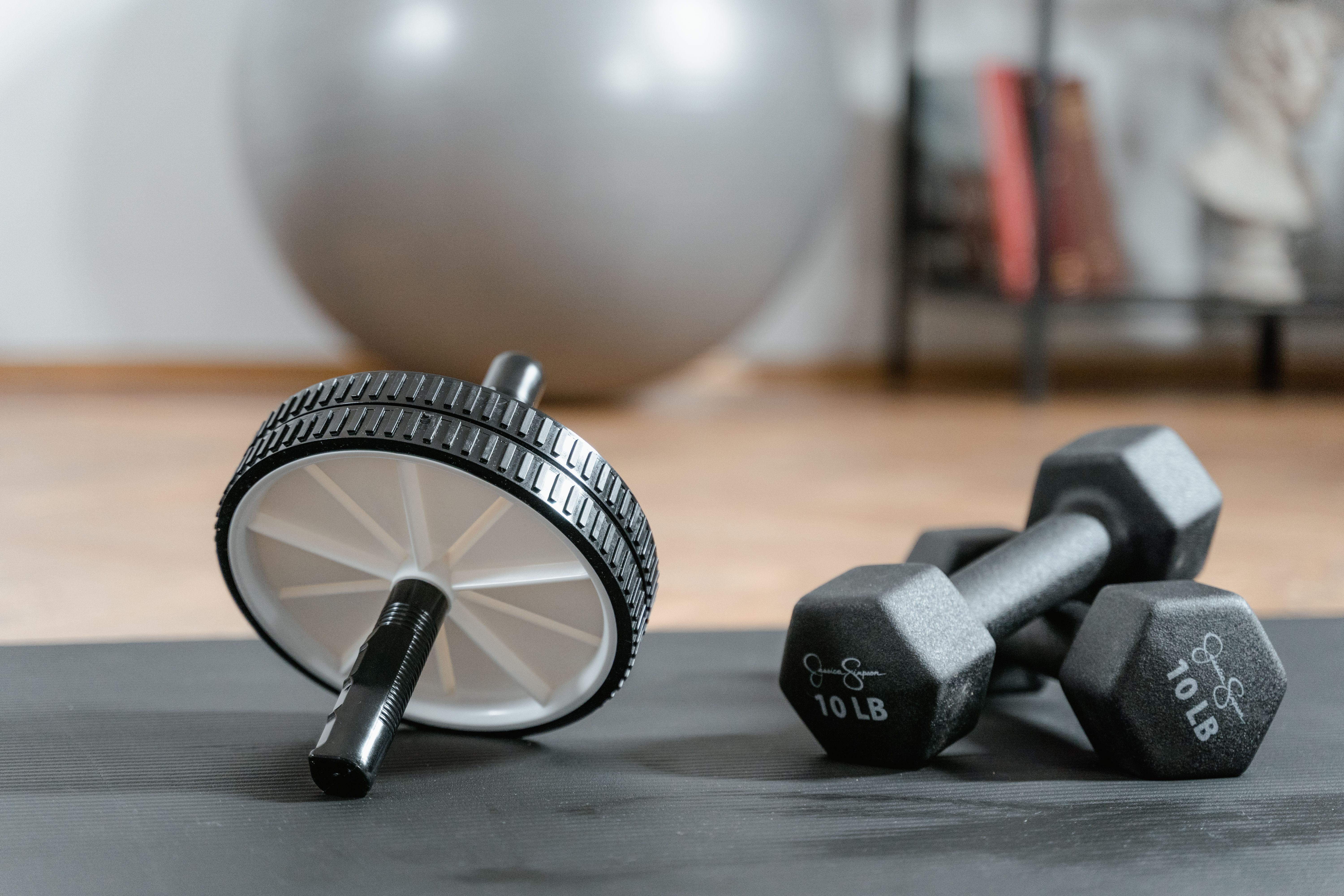
Many outdoor routines rely on bodyweight moves and a single pull-up bar. You can recreate most of them with a few inexpensive additions:
- Doorway pull-up bar for rows, pull-ups, and hanging core work
- Ab wheel for rollouts and anti-extension control
- Dumbbells for goblet squats, RDLs, and carries
- Timer or phone app for interval blocks such as 40 seconds on, 20 seconds off
A simple circuit could include push-ups, banded rows, reverse lunges, ab wheel rollouts, and a short cardio finisher. Three rounds usually take under 30 minutes and cover all major muscle groups.
Staying Consistent Across Seasons
Rain Days, Winter Mornings, and Travel Weeks
The best home gym is the one you use. A few habits help outdoor trainers stay on track when conditions change:
- Keep a short indoor template ready for days when you cannot get outside
- Schedule two strength sessions per week, even if they are only 20 minutes
- Rotate indoor and outdoor sessions so neither becomes a chore
- Track sessions in a notebook or app to spot gaps early
Seasonal changes do not need to undo your progress. A consistent indoor routine during winter can keep your strength base steady, so spring runs and park sessions feel easier to start.
Putting It Together
A home gym for outdoor trainers does not need to copy a commercial facility. Start with one clear training zone, a small set of portable tools, and a short routine you can repeat twice a week. Add equipment only when your sessions show a real need for it. Used this way, the home space becomes a dependable backup that keeps your outdoor training on schedule, no matter what the forecast says.
