

Why does pretending to be someone else feel so absorbing? The answer is less embarrassing than the word escapism makes it sound. Role-play gives the mind a temporary change of rules: different stakes, a different body language, perhaps even permission to be bolder, kinder, stranger, or more decisive than usual.
My view is that fantasy is healthiest when it works like a rehearsal room, not an emergency exit. The point is not to abandon the self, but to approach parts of it that ordinary life keeps underused.
Fantasy creates useful distance
Immersion is not the same as confusion. When a reader disappears into a novel or a player becomes absorbed in a character, attention shifts toward a constructed world while the everyday environment recedes. Researchers call one version of this process narrative transportation: becoming cognitively and emotionally involved in a story and its characters.
That distance can be restorative. A fictional situation lets someone examine fear, desire, power, romance, or failure without immediately paying the real-world price. In a consensual adult setting, role-play can also create a structured space for exploring intimacy and confidence, including experiences facilitated through services such as Louisa Escort. The important psychological ingredient is not novelty alone; it is the frame that makes experimentation feel bounded and reversible.

The “other” character is often still you
A mask does not erase identity. It can make identity easier to inspect.
A 2024 study of 265 adults found that openness to experience was associated with having engaged in role-play, although the authors were careful to say that psychological benefits remain inconclusive. That restraint matters: enjoying fantasy does not automatically make a person more empathetic or resilient. It does suggest that people who are comfortable with ambiguity and imagination may be especially willing to try alternate roles.
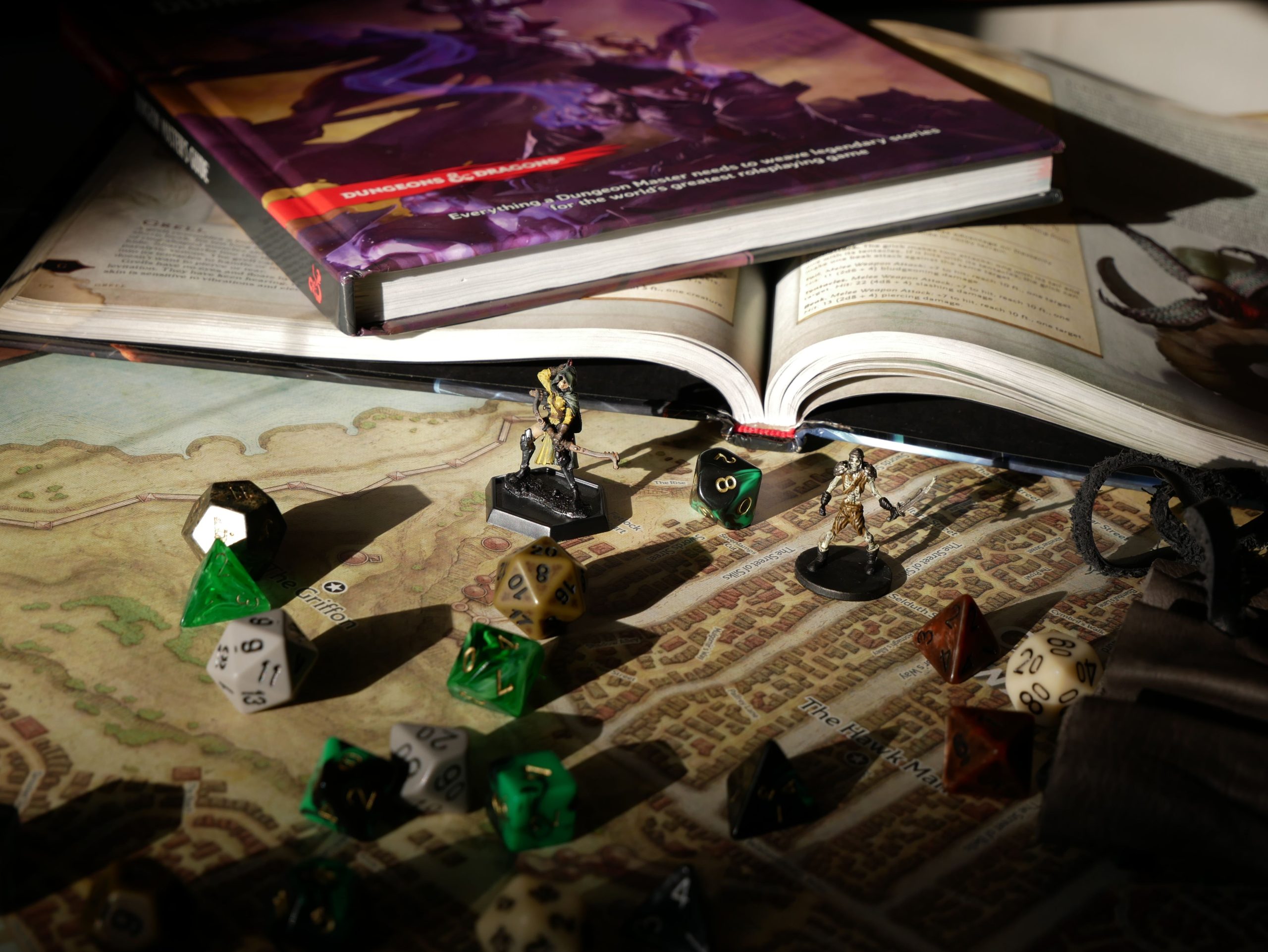
In tabletop role-playing, the effect becomes social. A 2022 paper in Frontiers in Psychology describes “pretensive shared reality”: players jointly maintain a fictional world and use it to explore agency, relationships, morality, and sometimes gender or sexual identity. The character becomes a safe question: What would I do if I were allowed to act differently?

When escapism helps, and when it traps
Escapism is not automatically unhealthy. A 2023 systematic review of 36 studies on gaming found that escapist motivation was linked to some negative mental-health and social outcomes, but also to belonging, confidence, representation, and reduced loneliness in particular circumstances. The same motive can therefore function as recovery or avoidance, depending on what happens after the fantasy ends.
Here is the practical test I trust most: do you return with more capacity, or with less? If a fantasy gives you perspective, connection, or emotional breathing room, it may be doing useful work. If it steadily replaces sleep, obligations, relationships, or the ability to tolerate ordinary life, the escape has stopped being temporary.
Fantasy is a bridge, not a verdict
The best role-play does not ask, “Which self is real?” It asks, “What can this version of me reveal?” Someone who plays a fearless warrior may be practicing assertiveness. Someone drawn to a romantic fantasy may be identifying a need for tenderness or attention. The character is not a diagnosis; it is information.

Used deliberately and consensually, escapism can return us to reality with a wider vocabulary for living. The fantasy matters, but the real psychological payoff is what we carry back.
